Let's Make a Movie!

Reel Voices is a film festival open to all language teachers and students anywhere in the world.
Whether filmmaking is a major project in your class, or you are just looking for a new and creative activity to try,
we invite you to make and submit a film to our festival!
Submission Categories

There are 4 different categories you can choose from when you create and submit your film to the festival. 

Explore the 4 categories and find one that fits your classroom:

Festival and Contest

Original Short Film

This category is for students who want to write and tell a meaningful story in another language through film. It is perfect for those engaging in filmmaking as a key part of their language course, curriculum, or club activities.

Students can create a film in any genre under 20 minutes in length.

This is your chance to share your film with an audience, make an impact, and maybe even win the Best of Show award prizes chosen by the judges!

Rules and Guidelines>>>

Awards

Best of Show Grand Prize 
Best of Show Finalists (multiple winners)
Audience Awards
Certificate (All Entries)

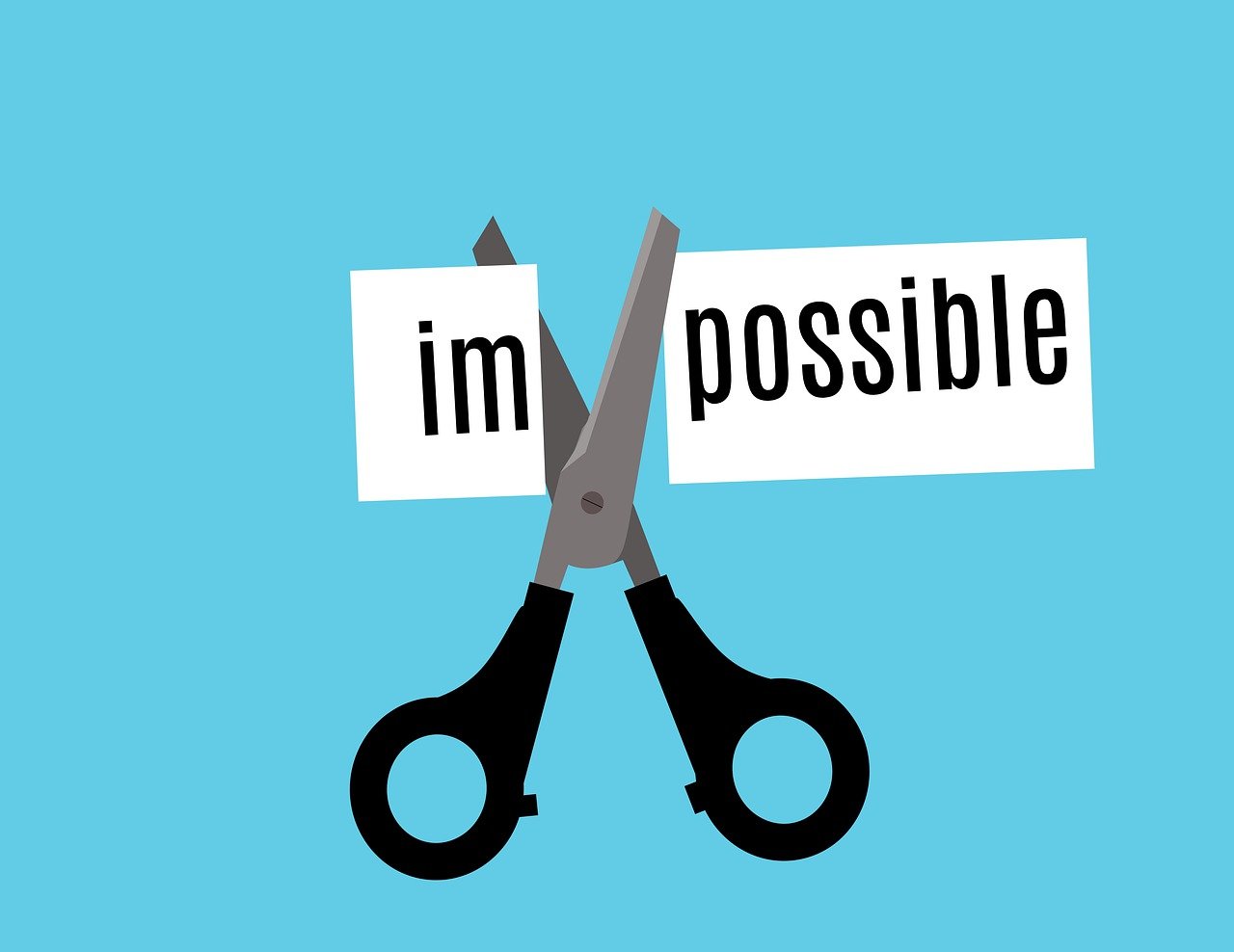
impossible, possible, attitude

Short Video Contest

The Reel Challenge

A quick, fun, and easy option for first-time filmmakers! And a chance to impress the audience and win a prize! In this category, you will create a short video using your skills in another language based on a specific prompt. 

All you need is a camera, language, and some imagination! Even those with limited time or resources can participate in this activity. 

This year's Reel Challenge is:
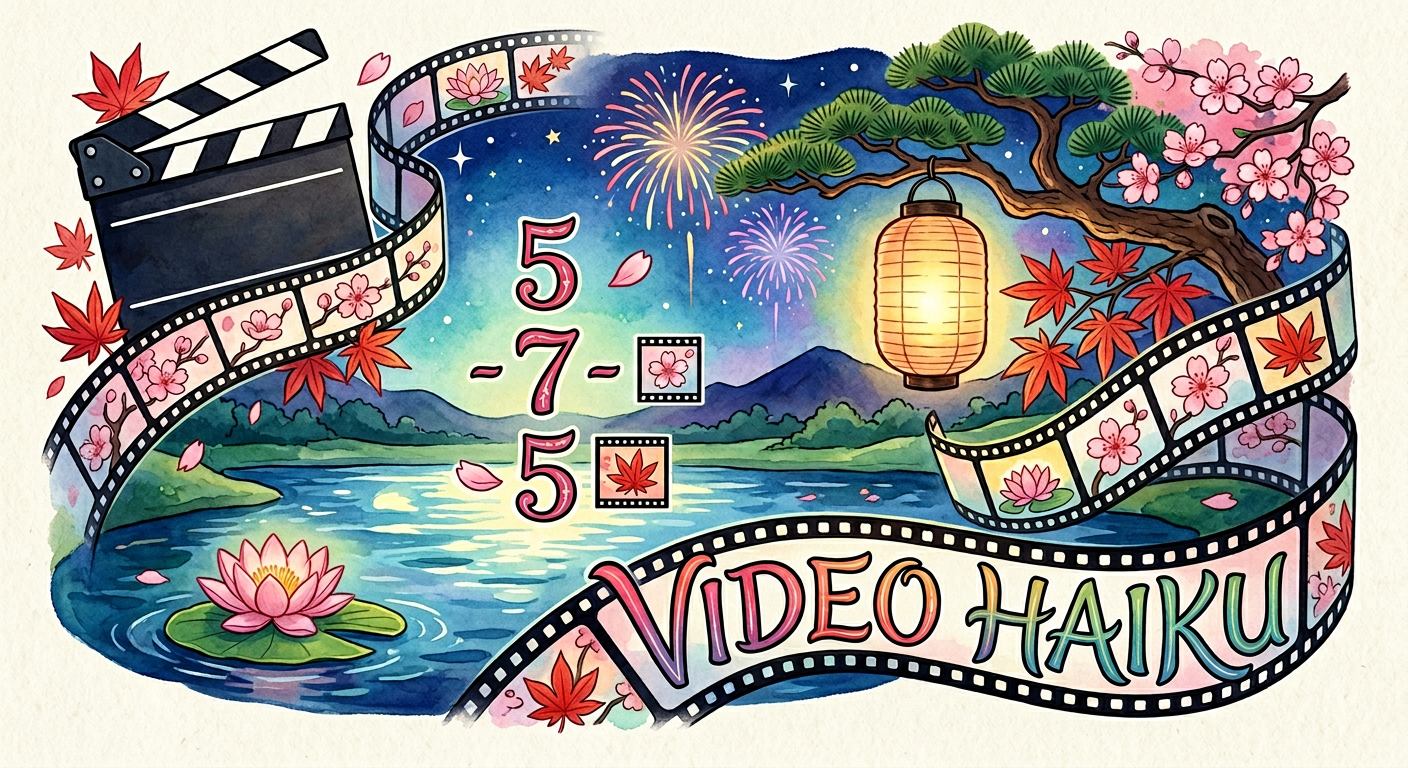
Video Haiku

Create a 17-second short film based on an original haiku poem written in the language you are studying.

Rules and Guidelines>>>

Awards

Grand Prize
Finalists (top 10)
Certificate (All Entries)

Festival Only

Book Reels

This category is for students who want to dive into the world of written stories through the art of summary. In under two minutes, you will introduce the story of your favorite book, comic book or manga in a language you are studying. Focus on the most important plot points and characters and encourage others to read it. Make it exciting and fun!

Whether it’s a classic novel, a popular comic or an undiscovered title, this is your chance to share your passion for books and film! Recommend a book and inspire others to read!

Rules and Guidelines>>>

Awards

Audience Awards
Certificate (All Entries)

Festival Only

Parody Films and Fan Films

This category for students who want to practice language and have fun with familiar genres and movies they already know.

Parody and fan films allow students to spoof or reimagine well-known works while being creative and expressing their own ideas. It doesn’t require starting from scratch but still involves writing, acting, and a lot of language practice.

Get inspired by your favorite movie, character, or genre and make your own movie! 

Rules and Guidelines>>>

Awards

Audience Awards
Certificate (All Entries)

Ready to make a film?   Explore the  Rules and Guidelines, then submit your film!

Rules and Guidelines

Original Short Film

In this category you are free to tell your own original story in any genre you choose—drama, comedy, fantasy, documentary, animation, or anything in between! Your short film must completely original, written, directed, and created by you (or with help from friends or classmates) in the language you are studying, and must be under 20 minutes. The judges will rate all films and the top-scoring films will be awarded Best of Show! All entries can be watched and enjoyed during the Reel Voices Film Festival, and Best of Show and Grand Prize winner will be featured in our live event. 

  • Films must be written, produced, and performed by students in the language they are studying.
  • Films may be any genre: comedy, drama, horror, animation, music video, etc.
  • Films may be up to 20 minutes or less in total length.
  • Films may be presented in any language being studied, but all films must be subtitled in English.
  • Films containing AI-generated content will not be accepted.
  • Films containing profanity or inappropriate content will not be accepted.
  • Films containing plagiarized or copyrighted content will not be accepted.
  • Submission by those under 18 years of age requires a parental signature on the film release form.

Teachers play an invaluable role in helping students as they create and share their films, but it may be difficult to know how to support students and how much to get involved in the filmmaking process. Here are some guidelines and practical strategies teachers may find helpful that align with the spirit of the Reel Voices Language Learning Film Festival in empowering students through filmmaking.

  • Let Students Lead
    - Encourage students to make their own decisions and take charge of the key filmmaking roles such as director, writer, cinematographer, editor, and actor.
    - Act as a mentor by listening to their ideas, answering questions, and giving constructive feedback and advice when they face challenges.
  • Integrate Language Learning
    - Set clear language goals and expectations for the filmmaking project that focus on your students' levels and needs.
    - Emphasize language-focused activities like scriptwriting or performing dialogue that will engage students with the target language while working on their films.
  • Teach and Learn Along the Way
    - Provide some mini-lessons or hands-on practice in basic filmmaking techniques (such as camera angles, lighting, sound, editing).
    - Learn along with students, and let them learn from each other.
  • Share Tools and Resources
    - Show them some example films, script/storyboard templates, and worksheets to help them get ideas and manage the project.
    - Provide students with some equipment they might need, like cameras, tripods, microphones or editing software, and show them how to use it.
  • Celebrate Student Achievements
    - Help students reflect on the experience of filmmaking and emphasize their growth and contribution in the process, not only the final product.
    - Encourage students to share their experience and their work with a wider audience, like the Reel Voices Film Festival.

Each film submission will be rated by our judges and by the audience. The top scoring films will be awarded the Best of Show prize!

Films will be scored on 3 basic criteria:

  • Content (Acting/Expression, Action/Performance, Dialogue, Message, Theme)
  • Visual Elements (Costume/Prop Design, Lighting/Mood, Location/Set Design, Angles, Stationary/moving shots, Transitions)
  • Audio and Technical Elements (Music, Sound Effects, Editing)
  • Overall Impression (Creativity/Originality)

The Reel Challenge

This is a fun creative video-making challenge with the chance to win a great prize! For this category, we will give you a unique prompt and your task is to make a short video. Get together with friends or classmates and film something surprising, funny, or inspiring in the language you are studying. All submissions can be watched and enjoyed during the Reel Voices Film Festival, and the top 10 entries will be featured in our live event. The live audience will choose the Grand Prize winner!

The Prompt for this year's Reel Challenge is:

Video Haiku

A video haiku is a short film that combines the arts of poetry and film.
Write your own haiku in the language you are studying. It should contain 3 lines — 5 syllables, 7 syllables, 5 syllables. Then grab your video camera and capture each line in 3 video clips: 5 seconds, 7 seconds, and 5 seconds. Combine them into one 17-second video, add your voice, layer in music and sound, and show your words on screen. Create a tiny but powerful piece of poetic cinema that says something only you can say.

  • Videos must be written, produced, and performed by students in the language they are studying.
  • Videos must be essentially 17 seconds in length but may include titles or credits. The total length of the video should be under 30 seconds in length.
  • Videos should contain words spoken or performed by students in the language they are studying. This could include either speaking on screen or voiceover.
  • Videos may be presented in any language that is being studied (for example, Japanese, Spanish, Sign Language), but videos should include subtitles in English.
  • Videos containing profanity or inappropriate content will not be accepted.
  • Videos containing AI-generated voices or images will not be accepted.
  • Videos containing plagiarized or copyrighted content not be accepted.
  • Submission by students under 18 years of age requires a parental signature on the film release form.

Teachers play an invaluable role in helping students as they create and share their films, but it may be difficult to know how to support students and how much to get involved in the filmmaking process. Here are some guidelines and practical strategies teachers may find helpful that align with the spirit of the Reel Voices Language Learning Film Festival in empowering students through filmmaking.

  • Let Students Lead
    - Encourage students to make their own decisions and take charge of the key filmmaking roles such as director, writer, cinematographer, editor, and actor.
    - Act as a mentor by listening to their ideas, answering questions, and giving constructive feedback and advice when they face challenges.
  • Integrate Language Learning
    - Set clear language goals and expectations for the filmmaking project that focus on your students' levels and needs.
    - Emphasize language-focused activities like scriptwriting or performing dialogue that will engage students with the target language while working on their films.
  • Teach and Learn Along the Way
    - Provide some mini-lessons or hands-on practice in basic filmmaking techniques (such as camera angles, lighting, sound, editing).
    - Learn along with students, and let them learn from each other.
  • Share Tools and Resources
    - Show them some example films, script/storyboard templates, and worksheets to help them get ideas and manage the project.
    - Provide students with some equipment they might need, like cameras, tripods, microphones or editing software, and show them how to use it.
  • Celebrate Student Achievements
    - Help students reflect on the experience of filmmaking and emphasize their growth and contribution in the process, not only the final product.
    - Encourage students to share their experience and their work with a wider audience, like the Reel Voices Film Festival.

Each submission will be rated by our film festival team panel for creativity and expression and the 10 top-rated videos will be selected as finalists. The Grand Prize winner will be chosen by the live audience during the film festival.

Book Reels

Do you have a favorite book, novel, graded reader that you want to make a movie about? In this category, we’re looking for book trailers. This is your chance to show the exciting parts of your favorite book without giving away the whole story or spoiling surprises! Make a film that will make others want to read the book. Make sure to add your own recommendation message.

What is a trailer?
— A highlight real of interesting, exciting or dramatic moments with characters and settings from your favorite book. For example, you might create a reel of events with dialogue and add a voice over to connect the scenes.

How to create a Book Reel?
—The end of the story should not be revealed!
 —The full title and name of the author should be introduced clearly.
—You should add a recommendation message to your video that explains why viewers should read the book.

We aim to celebrate the educational role and value of these works in the learning process, but due to potential copyright liabilities, they will not be eligible for prizes.

  • Videos must be written, produced, and performed by students in the language they are studying.
  • Videos can be up to 2 minutes or less in total length.
  • Videos should contain dialogue by students in their original voice in the language they are studying. This can also include narration or voiceover.
  • Videos may be presented in any language you are studying, but all films must be subtitled in English.
  • Videos containing profanity or inappropriate content will not be accepted.
  • Videos containing AI-generated content will not be accepted.
  • Videos containing plagiarized or copyrighted content not be accepted.
  • Submission by those under 18 years of age requires a parental signature on the film release form.

Teachers play an invaluable role in helping students as they create and share their films, but it may be difficult to know how to support students and how much to get involved in the filmmaking process. Here are some guidelines and practical strategies teachers may find helpful that align with the spirit of the Reel Voices Language Learning Film Festival in empowering students through filmmaking.

  • Let Students Lead
    - Encourage students to make their own decisions and take charge of the key filmmaking roles such as director, writer, cinematographer, editor, and actor.
    - Act as a mentor by listening to their ideas, answering questions, and giving constructive feedback and advice when they face challenges.
  • Integrate Language Learning
    - Set clear language goals and expectations for the filmmaking project that focus on your students' levels and needs.
    - Emphasize language-focused activities like scriptwriting or performing dialogue that will engage students with the target language while working on their films.
  • Teach and Learn Along the Way
    - Provide some mini-lessons or hands-on practice in basic filmmaking techniques (such as camera angles, lighting, sound, editing).
    - Learn along with students, and let them learn from each other.
  • Share Tools and Resources
    - Show them some example films, script/storyboard templates, and worksheets to help them get ideas and manage the project.
    - Provide students with some equipment they might need, like cameras, tripods, microphones or editing software, and show them how to use it.
  • Celebrate Student Achievements
    - Help students reflect on the experience of filmmaking and emphasize their growth and contribution in the process, not only the final product.
    - Encourage students to share their experience and their work with a wider audience, like the Reel Voices Film Festival.

Each submission will be rated by our panel and the 10 top-rated videos will be selected for the final round. The Grand Prize winner will be decided by a live audience.

Parody Films / Fan Films

Do you have a favorite movie, character, or genre that you want to make a movie about? In this category, we’re looking for parodies and fan films. This is your own twist on something familiar! You can imitate or borrow from other works, but be sure to add your own fresh or humorous idea. This is an easy way to have fun and learn with film, experiment with language, and create something new!

What is a parody? What is a fan film? What's the difference?
— A parody mimics or imitates other works, but in order to make a statement or as a joke. For example, you might create a hilarious version of a famous movie scene, turning it into something unexpected or silly.
— A fan film borrows beloved elements of another work (like characters or setting), but creates a whole new story. For example, you might tell your own story using characters, settings, or ideas from the original—but adding your unique touch.
— Neither copy or remake the original story— instead they offer something new. Parodies are playful or critical, and make us laugh and think, while fan films celebrate and honor the original work by expanding its reach.

We aim to celebrate the educational role and value of these works in the learning process, but due to potential copyright liabilities, they will not be eligible for prizes.

  • Films must be written, produced, and performed by students in the language they are studying.
  • Films should successfully transform the original work. They must offer a significant alteration to the original for humor or critique, or a whole new story. Simple remakes or adaptations will not be accepted.
  • Films may be presented in any language you are studying, but all films must be subtitled in English.
  • Films containing profanity or inappropriate content will not be accepted.
  • Films containing AI-generated content will not be accepted.
  • Films containing plagiarized or copyrighted content will not be accepted.
  • Submission by those under 18 years of age requires a parental signature on the film release form.

Teachers play an invaluable role in helping students as they create and share their films, but it may be difficult to know how to support students and how much to get involved in the filmmaking process. Here are some guidelines and practical strategies teachers may find helpful that align with the spirit of the Reel Voices Language Learning Film Festival in empowering students through filmmaking.

  • Let Students Lead
    - Encourage students to make their own decisions and take charge of the key filmmaking roles such as director, writer, cinematographer, editor, and actor.
    - Act as a mentor by listening to their ideas, answering questions, and giving constructive feedback and advice when they face challenges.
  • Integrate Language Learning
    - Set clear language goals and expectations for the filmmaking project that focus on your students' levels and needs.
    - Emphasize language-focused activities like scriptwriting or performing dialogue that will engage students with the target language while working on their films.
  • Teach and Learn Along the Way
    - Provide some mini-lessons or hands-on practice in basic filmmaking techniques (such as camera angles, lighting, sound, editing).
    - Learn along with students, and let them learn from each other.
  • Share Tools and Resources
    - Show them some example films, script/storyboard templates, and worksheets to help them get ideas and manage the project.
    - Provide students with some equipment they might need, like cameras, tripods, microphones or editing software, and show them how to use it.
  • Celebrate Student Achievements
    - Help students reflect on the experience of filmmaking and emphasize their growth and contribution in the process, not only the final product.
    - Encourage students to share their experience and their work with a wider audience, like the Reel Voices Film Festival.

Due to copyright liabilities, films may be rejected if they:

  • include any copyrighted content from the original work (clips, dialogue, music) not considered fair use
  • fail to transform the original work
  • copy or closely follow original works and retain their core essence (even if there are some minor changes)

Meet the 2027 Judges!

Announcing Soon!

We are excited to announce our panel of judges for the 2027 Reel Voices Film Festival Original Short Film category very soon! They are professionals with diverse experiences in the film industry who actively support educational filmmaking activities. They are looking forward to watching and commenting on your films, and sharing their expertise and passion for film with you during the livestream events!